
Sunday May 19, 2024
With a recent change in role and workplace I’ve been inspired to re-engage with my website blog posting in response to the educational topics I’m reflecting upon. Today marks nearly 13 months since my last post, the delay serving as an indication of how much pressure I was under in my previous role. A key piece of feedback I received during this transition period was that I need to ask more questions, i.e., be more curious. I promptly searched for a reputable podcast I could listen to on the matter and have since listened to this podcast on about 4 occasions now. I’m pleased to share I’ve adopted this feedback immediately in my new role, particularly the simple strategy shared by Professor Harrison, and can confirm it is proving to be successful as I build trust and credibility with my new colleagues. Below is my commentary on the podcast, *proofread and improved by my closest colleague, ChatGPT.
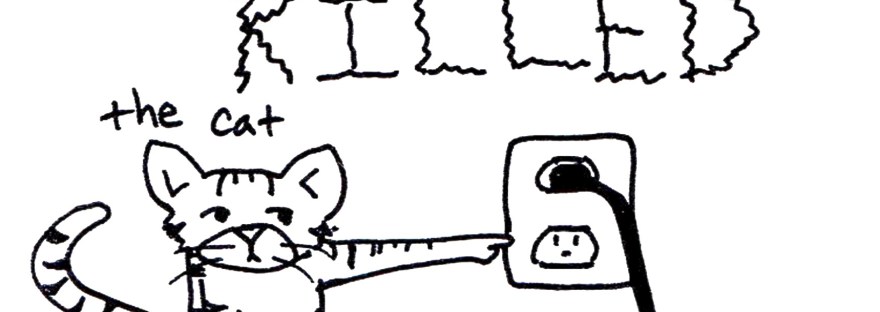
In a recent episode of “This Working Life” on ABC’s Spotify series titled “Curiosity – Bad for cats. Good for workers”, curiosity took centre stage as a critical factor in personal and professional development. The conversation, led by host Lisa Leong, featured insights from prominent figures like Professor Spencer Harrison, Dr. Kirstin Ferguson, and Scott Shigeoka, shedding light on the multifaceted nature of curiosity and its impact on workplace dynamics.
Curiosity, as Professor Harrison from INSEAD suggests, is not merely a fixed trait but a malleable skill that can be nurtured and cultivated. By intentionally designing aspects of our lives and work environments to foster curiosity, individuals and businesses alike can benefit from its transformative power. Curiosity, he argues, is not just a state of mind but a tool for adaptation and growth.
Dr. Kirstin Ferguson further elaborates on the various dimensions of curiosity, highlighting emotional, social, and intellectual aspects. She emphasizes the importance of questioning the status quo and fostering a culture where curiosity is encouraged rather than stifled. However, she warns of the dangers of complacency, noting that over time, individuals can lose their curiosity as they become habituated to their surroundings.
Scott Shigeoka delves into the emotional aspects of curiosity, emphasizing its role in fostering meaningful connections and relationships. He argues that fear often inhibits curiosity and suggests embracing a “heart-cantered” curiosity that seeks to understand others’ hopes and dreams. In doing so, he suggests, we can create environments where everyone feels valued and heard.
Despite the clear benefits of curiosity, statistics show that only a quarter of us feel free to express curiosity at work. Professor Harrison offers a simple yet powerful tip for overcoming this barrier: verbalizing curiosity. By simply stating, “I’m asking because I’m curious,” individuals can humanize conversations and foster a culture of curiosity within their organizations.
In conclusion, cultivating curiosity is not only beneficial for personal growth but also essential for success in Australian workplaces. By embracing curiosity as a skill to be developed and nurtured, individuals and organisations can adapt to change, foster innovation, and ultimately thrive in today’s dynamic landscape. So, let’s make a commitment to embrace curiosity in our daily lives, one question at a time, and unlock its transformative potential.

 Chris English